- 中文名稱
Class III HDAC, BioAssay?
- 英文名字
- Class III HDAC, BioAssay?
- 供應商
- USBiological
- 產品貨號
- 029446
- 產品報價
- ¥1/96Tests

- 產品說明書
- 點擊查看
- 購買方式
- 銀行轉賬、電匯、支票、現金,在線支付寶及網銀支付,或直接與我們電話聯系400-6800-868
- 產品新聞

- 背景資料
- USBiological品牌是全球有名的抗原抗體和生化試劑供應商,生產世界上種類最多的抗體,用于Western Blot、免疫沉淀、免疫熒光、免疫組化和流式細胞術等多種檢測方法。武漢艾美捷科技作為USBiological品牌中國區域總代理,是行業中少有的致力于服務客戶,幫助客戶,且擁有獨立的專業銷售團隊、技術支持團隊、市場營銷團隊、進出口報關團隊的高科技生物企業。可以為您提供及時的咨詢響應,專業的產品和解決方案支持,穩健快捷的交貨周期,優質放心的售后服務。我們致力于為您提供有價值的產品和服務,在意您的成功!
- 產品描述
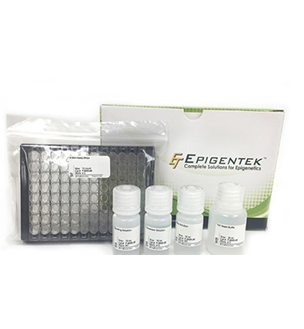
- Posttranslational acetylation of lysines occurs in a wide variety of proteins, and consequently regulates a diverse array of intermolecular interactions and biological processes. Proteomic analysis of lysine acetylation in mammalian cells has revealed >3600 acetylated lysine sites occurring on >1700 proteins. This diverse array of proteins function in many major cellular processes, including gene regulation, cytoskeletal organization, protein trafficking, and cell signaling. On histone proteins, the universe of lysine acetylation is controlled by the opposing enzymatic activities of histone acetyltransferases (HAT) and histone deacetylases (HDAC). Given the diversity of lysine acetylated proteins and processes in which they occur, modulators of HATs and HDACs are major targets for drug discovery efforts in a number of disease processes, including metabolism, cancer and cardiovascular disease.Four different classes of histone deacetylases have been described. The first two classes are HDACs which are inhibited by trichostatin A (TSA). The third group (Class III HDAC's) is NAD+-dependent proteins not inhibited by TSA. The fourth classes of HDACs are atypical and are considered HDAC's due to DNA sequence similarity to the other classes of HDAC's.Class III HDAC's, also known as sirtuins, are mechanistically distinct from class I and class II HDACs in that they couple deacetylation of the peptide/protein substrate to cleavage of NAD+ to form nicotinamide and O-acetyl-ADP-ribose. The first member of the sirtuin family to be assigned a physiological role was the yeast Sir2, which was shown to increase mother cell life span when over expressed. The mammalian sirtuins comprise 7 members, termed Sirt1-7, which share the NAD+-binding catalytic domain, but differ in N- and C-termini, subcellular localization, substrate preference, and ultimately in biological function. For example, Sirt1 resides primarily in the nucleus, where it deacetylates several transcriptional regulators, including PGC-1a to promote mitochondrial biogenesis and gluconeogenesis, and p53 to reduce apoptosis. Sirtuins 3-5 are located in mitochondria, and Sirt3 has been shown to deacetylate several metabolic enzymes to divert alternative carbon sources to the TCA cycle.Multiple lines of evidence have suggested that the activation of sirtuins in vivo could represent therapeutic target for the maintenance of metabolic homeostasis. Subsequent studies searching for activators of sirtuin activity indicated the plant polyphenol resveratrol as a potential activator of Sirt1. However, these studies were called into question as a result of data demonstrating that resveratrol-mediated activation of sirtuins was actually due to an artifact of the fluorescently labeled peptide substrate used in the commercially available assay used for these studies.The SIRTainty approach eliminates artifacts due to resveratrol and potential interference of enzyme substrate interactions due to the presence of bulky fluorophores. Unlike other sirtuin assays that utilize a fluorescently tagged acetylated peptide substrate, the SIRTainty assay employs an untagged acetylated peptide substrate. This approach not only enables unparalleled flexibility in your choice of sirtuin isoform and peptide substrate, but also helps avoid potential artifacts attributed to the use of a fluorescently labeled substrate.Intended Use:For measuring sirtuin activity as well as for screening of activators and inhibitors of sirtuin enzymes.Specificity:Class III HDACTest Principle:To perform this assay, a sirtuin enzyme, beta-NAD, acetylated peptide substrate, test compound, and nicotinamidase enzyme are combined and incubated for 30 minutes. During this time the acetylated peptide substrate is acted upon by the sirtuin enzyme to produce nicotinamide. In a secondary reaction, the nicotinamidase enzyme converts the nicotinamide into nicotinic acid and NH3+ (free ammonia). To generate a signal for readout, a proprietary developer reagent is added and the signal is read using a fluorescent plate reader.Kit Components:Black plate: 1x96 wellsAssay Buffer: 1x10mlPlate Covers: 2 plate coversAcetylated Peptide Substrate: 1x75ul (1mM)beta NAD: 1x30ul (50mM)Nicotinamide (NAM): 1x10ul (10mM)Recombinant Sirt1 Enzyme: 1x120 unitsRecombinant Nicotinamidase Enzyme with 50% glycerol: 1x60ug (1mg/ml)Suramin (Sirt Inhibitor) in ddH2O: 1x150ul (25mM)Developer Reagent: 1x4ml (10mM)Storage and Stability:Store powder at 4°C liquid at -20°C. Store other components at 4°C. Stable for at least 6 months For maximum recovery of product, centrifuge the original vial after thawing and prior to removing the cap.
- 產品形式
- 艾美捷向您提供的Class III HDAC, BioAssay? 產品形式查看產品說明書,建議按照產品說明書進行應用操作。
- 保存建議
- 接收到Class III HDAC, BioAssay? 產品后,置于4°C溫度下保存。
- 其他
- Usbiological公司是美國著名的抗體和生化試劑供應商,生產世界上種類最多的抗體,用于Western Blot、免疫沉淀、免疫熒光、免疫組化和流式細胞術等多種檢測方法。Usbiological公司現已擁有超過50,19234種抗體、抗原和生化產品,為科研用戶提供了諸多超值選擇。

- 注意
-
該頁面的中文產品信息的翻譯,僅供參考。準確的產品信息請以廠家的英文說明書為準。下單前,請瀏覽說明書確認。
-