Isoform 1: heparan sulfate basal lamina glycoprotein that plays a central role in the formation and the maintenance of the neuromuscular junction (NMJ) and directs key events in postsynaptic differentiation. This neuron-specific (z+) isoform is a component of the AGRN-LRP4 receptor complex that induces the phosphorylation and activation of MUSK. The activation of MUSK in myotubes induces the formation of NMJ by regulating different processes including the transcription of specific genes and the clustering of AChR in the postsynaptic membrane. Calcium ions are required for maximal AChR clustering. AGRN function in neurons is highly regulated by alternative splicing, glycan binding and proteolytic processing. Modulates calcium ion homeostasis in neurons, specifically by inducing an increase in cytoplasmic calcium ions. Functions differentially in the central nervous system (CNS) by inhibiting the alpha(3)-subtype of Na+/K+-ATPase and evoking depolarization at CNS synapses. This transmembrane agrin (TM-agrin) isoform, the predominate form in neurons of the brain, induces dendritic filopodia and synapse formation in mature hippocampal neurons in large part due to the attached glycosaminoglycan chains and the action of Rho-family GTPases. Isoform 2 and isoform 3: these isoforms lacking the 'z' insert (z0) are muscle-specific, have no AChR clustering ability and may be involved in nervous system endothelial cell differentiation. Agrin N-terminal 110 kDa subunit: involved in regulation of neurite outgrowth probably due to the presence of the glycosaminoglcan (GAG) side chains of heparan and chondroitin sulfate attached to the Ser/Thr- and Gly/Ser-rich regions. Also involved in modulation of growth factor signaling.
產品描述
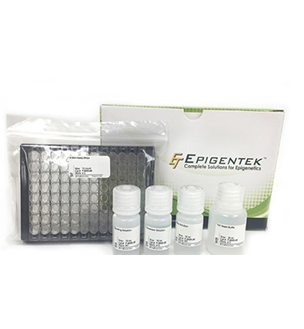
該AGRN ELISA Kit (Mouse)的產品描述請參考該產品的說明書
產品特點
ELISA試劑盒
保存建議
Store as indicated in product manual.
其他
Aviva Systems Biology總部位于加利福尼亞州圣迭戈,在中國北京設有辦公室,專注于為研究需求提供多克隆和單克隆抗體、ELISA試劑盒、蛋白質和定制服務。Aviva Systems Biology生產了24,000種經過驗證的多克隆抗體,并提供近20,000種ELISA試劑盒,定制實驗室服務包括蛋白表達和純化、抗體開發,以及ELISA的開發、驗證和生產。Aviva Systems Biology為與獨特物種和靶標相關的研究提供獨特工具,研究領域包括轉錄因子、癌癥、心血管、細胞生物學、DNA損傷和修復、表觀遺傳學、信號轉導、細胞分化、干細胞生物學等等。