Plasmin dissolves the fibrin of blood clots and acts as a proteolytic factor in a variety of other processes including embryonic development, tissue remodeling, tumor invasion, and inflammation. In ovulation, it weakens the walls of the Graafian follicle. It activates the urokinase-type plasminogen activator, collagenases, and several complement zymogens, such as C1 and C5. The cleavage of fibronectin and laminin leads to cell detachment and apoptosis. Also, it cleaves fibrin, thrombospondin, and von Willebrand factor. Its has roles in tissue remodeling and tumor invasion which may be modulated by CSPG4 and binds to cells. Angiostatin is an angiogenesis inhibitor that blocks neovascularization and growth of experimental primary and metastatic tumors in vivo. Plasmin is inactivated by alpha-2-antiplasmin immediately after dissociation from the clot.
應(yīng)用類型
ELISA,Western Blot,
免疫原
Plasminogen [Human Plasma]
來源宿主
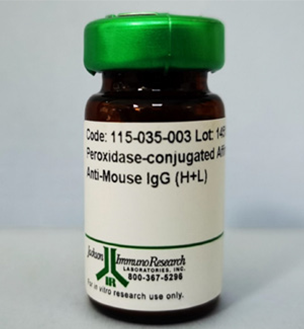
Goat
反應(yīng)性
H. sapiens (Human)
保存建議
Store vial at 4° C prior to restoration. For extended storage aliquot contents and freeze at -20° C or below. Avoid cycles of freezing and thawing. Centrifuge product if not completely clear after standing at room temperature. This product is stable for several weeks at 4° C as an undiluted liquid. Dilute only prior to immediate use.