CRP (C-Reactive Protein) belongs to the pentaxin family. It is involved in several host defense related functions based on its ability to recognize foreign pathogens and damaged cells of the host and to initiate their elimination by interacting with humoral and cellular effector systems in the blood. It promotes agglutination, bacterial capsular swelling, phagocytosis and complement fixation through its calcium-dependent binding to phosphorylcholine. Consequently, the level of this protein in plasma increases greatly during acute phase response to tissue injury, infection, or other inflammatory stimuli. CRP can interact with DNA and histones and may scavenge nuclear material released from damaged circulating cells. Diseases associated with CRP include Acute Pancreatitis and Appendicitis. Anti-CRP Antibody is ideal for researchers interested in cAMP Dependent PKA, IL6 signaling, calcium ion binding, and cholesterol binding.
應(yīng)用類型
ELISA,Immunohistochemistry,Western Blot,
免疫原
Capsular Reactive Protein (CRP) [Human Serum]
來源宿主
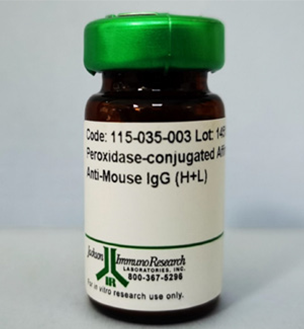
Goat
反應(yīng)性
H. sapiens (Human)
保存建議
Store vial at 4° C prior to restoration. For extended storage aliquot contents and freeze at -20° C or below. Avoid cycles of freezing and thawing. Centrifuge product if not completely clear after standing at room temperature. This product is stable for several weeks at 4° C as an undiluted liquid. Dilute only prior to immediate use.