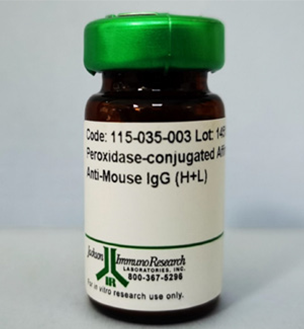
Alpha-2-Macroglobulin detects Macroglobulin. Alpha-2-MACROGLOBULIN is a large plasma protein found in the blood. It is produced by the liver, and is a major component of the alpha-2 band in protein electrophoresis. Alpha 2-Macroglobulin is the largest major nonimmunoglobulin protein in plasma. The alpha 2-macroglobulin molecule is synthesized mainly in liver, but also locally by macrophages, fibroblasts, and adrenocortical cells. Alpha 2 macroglobulin acts as an antiprotease and is able to inactivate an enormous variety of proteinases. It functions as an inhibitor of fibrinolysis by inhibiting plasmin and kallikrein. It functions as an inhibitor of coagulation by inhibiting thrombin. Alpha 2-macroglobulin may act as a carrier protein because it also binds to numerous growth factors and cytokines, such as platelet-derived growth factor, basic fibroblast growth factor, TGF-β, insulin, and IL-1β. No specific deficiency with associated disease has been recognized, and no disease state is attributed to low concentrations of Alpha 2 macroglobulin. The concentration of alpha 2 macroglobulin rises 10-fold or more in the nephrotic syndrome when other lower molecular weight proteins are lost in the urine. The loss of alpha 2 macroglobulin into urine is prevented by its large size. The net result is that alpha 2 macroglobulin reaches serum levels equal to or greater than those of albumin in the nephrotic syndrome, which has the effect of maintaining oncotic pressure. Antialpha-2-macroglobulin is ideal for investigators involved in serum component protein research.
應用類型
ELISA,Immunohistochemistry,Western Blot,
免疫原
a2-Macroglobulin [Human Plasma]
來源宿主
Goat
反應性
H. sapiens (Human)
保存建議
Store vial at 4° C prior to restoration. For extended storage aliquot contents and freeze at -20° C or below. Avoid cycles of freezing and thawing. Centrifuge product if not completely clear after standing at room temperature. This product is stable for several weeks at 4° C as an undiluted liquid. Dilute only prior to immediate use.