Alkaline Phosphatase is present in all tissues throughout the entire body, but is particularly concentrated in liver, bile duct, kidney, bone, and the placenta. Humans and most other mammals contain the following alkaline phosphatase isozymes: ALPI – intestinal, ALPL – tissue non-specific (liver/bone/kidney), ALPP – placental (Regan isozyme). Elevated ALP indicates that there could be active bone formation occurring as ALP is a byproduct of osteoblast activity (such as the case in Paget's disease of bone). Levels are also elevated in people with untreated Coeliac Disease. All mammalian alkaline phosphatase isoenzymes except placental (PALP and SEAP) are inhibited by homoarginine, and, in similar manner, all except the intestinal and placental ones are blocked by levamisole. Heating for ~2 hours at 65°C inactivated most isoenzymes except Placental isoforms (PALP and SEAP).
應(yīng)用類(lèi)型
ELISA,Immunohistochemistry,Western Blot,
免疫原
Alkaline Phosphatase [Calf Intestine]
來(lái)源宿主
Goat
反應(yīng)性
Bovine (Bos Taurus)
保存建議
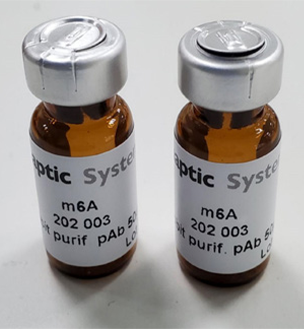
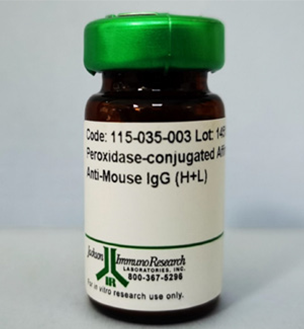
Store vial at -20° C or below prior to opening. This vial contains a relatively low volume of reagent (25 μL). To minimize loss of volume dilute 1:10 by adding 225 μL of the buffer stated above directly to the vial. Recap, mix thoroughly and briefly centrifuge to collect the volume at the bottom of the vial. Use this intermediate dilution when calculating final dilutions as recommended below. Store the vial at -20°C or below after dilution. Avoid cycles of freezing and thawing.