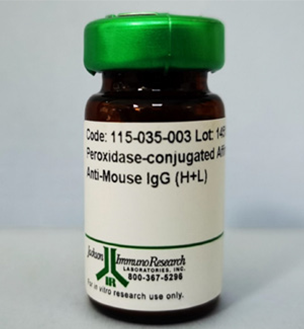
Haptoglobin (also known as Haptoglobin, alpha polypeptide antibody, Haptoglobin, beta polypeptide antibody, HP antibody, Hp2 alpha antibody, HP2 ALPHA2 antibody,HPA1S antibody, HPT antibody, MGC111141 antibody as Hp) is a protein that in humans is encoded by the HP gene. In blood plasma, haptoglobin binds free hemoglobin (Hb) released from erythrocytes with high affinity and thereby inhibits its oxidative activity. The haptoglobin-hemoglobin complex will then be removed by the reticulo-endothelial system (mostly the spleen).This HP gene encodes a precursor that is processed to yield both alpha and beta chains, which subsequently combine as a tetramer to produce haptoglobin. Haptoglobin functions to bind free plasma hemoglobin, which allows degradative enzymes to gain access to the hemoglobin while at the same time preventing loss of iron through the kidneys and protecting the kidneys from damage by hemoglobin. Haptoglobin is produced mostly by hepatocytes but also by other tissues: e.g., skin, lung, and kidney. In addition, the haptoglobin gene is expressed in mouse and human adipose tissue.Haptoglobin, in its simplest form, consists of two alpha- and two beta- chains, connected by disulfide bridges. Hp exists in two allelic forms in the human population, so-called Hp1 and Hp2, the latter one having arisen due to the partial duplication of Hp1 gene. Three phenotypes of Hp, therefore, are found in humans: Hp1-1, Hp2-1, and Hp2-2. Hp of different phenotypes have been shown to bind hemoglobin with different affinities, with Hp2-2 being the weakest binder. The amino acid sequence of Hp1-1 consists of 406aa, it has molecular weight of about 45kD.Source:Haptoglobin, from rat plasmaMolecular Weight:~40kD and 10kD (SDS-PAGE)Applications: Suitable for use in ELISA and Western Blot. Other applications not tested.Recommended Dilution:ELISA: 1:1000 Optimal dilutions to be determined by the researcher.Storage and Stability:Lyophilized powder may be stored at -20°C. Reconstitute with sterile buffer. Aliquot to avoid repeated freezing and thawing. Store at -20°C. Reconstituted product is stable for 6 months at -20°C. For maximum recovery of product, centrifuge the original vial after thawing and prior to removing the cap. Further dilutions can be made in assay buffer.