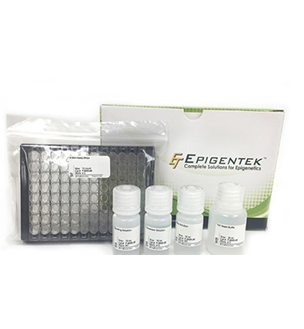
Mouse Interleukin-17A (mIL-17A), also know as CTLA-8, is a secreted, homodimeric glycoprotein linked by disulfide link with a molecular mass of about 35kD. The cytokine is the proto-type of a newly discovered pro-inflammatory cytokine family which consists of IL-17A, IL-17B, IL-17C, IL-17D, IL-17E (IL-25) and IL-17F. IL-17A is mainly produced by a group of CD4 T helper cells termed Th17 cells.? In addition to Th17 cells, CD8 T helper cells, natural killer cells and granulocytes, can also secret the cytokine after proper stimulation. IL17A exhibits structural homology and cross-species bioactivity between human and mouse cells. ???IL-17A acts through its receptor IL-17R. It was found to stimulate the expression of pro-inflammatory cytokines including IL-6, MCP-1, G-CSF,GM-CSF,IL-1alpha and TNF-alpha.Most of those cytokines plays a role in the proliferation, maturation and chemotaxis of neutrophils.?Elevated levels of IL-17A have been found to implicate with autoimmune diseases, airway inflammation, allograft rejection, inflammatory bowel disease, psoriasis, cancer, vascular inflammation and development of atherosis.??This mouse IL-17A ELISA is a 3.5-hour solid phase immunoassay readily applicable to measure mouse IL-17A levels in cell culture supernatant and mouse serum in the range of 0 to 1000pg/ml. It showed no cross reactivity with other cytokines tested.?This mouse IL-17A ELISA is expected to be effectively used for further investigations into the relationship between IL-17A and the various conditions mentioned.?Intended Use:This mouse Interleukin-17A ELISA Kit is designed for the in vitro quantitative determination of mouse interleukin-17A (IL-17A) concentrations in cell culture supernatant and mouse serum.?Sensitivity:<2pg/mlRange:15.6-1000pg/mlTest Principle:This mouse IL-17A enzyme linked immunosorbent assay (ELISA) applies a technique called a quantitative sandwich immunoassay. The microtiter plate provided in this kit has been pre-coated with a monoclonal antibody specific to mouse IL-17A. Standards or samples are then added to the appropriate microtiter plate wells. A biotin-conjugated antibody preparation specific for mouse IL-17A was added and incubated. Mouse IL-17A, if present, will bind and become immobilized by the antibody pre-coated on the wells. The microtiter plate wells are thoroughly washed to remove unbound mouse IL-17A and other components in the sample. Avidin conjugated to Horseradish Peroxidase (HRP) is added to each microplate well and incubated. Avidin is a tetramer containing four identical subunits that each has a high affinity-binding site for biotin. The wells are thoroughly washed to remove all unbound HRP-conjugated Avidin, and aTMB(3,3'5, 5' tetramethyl-benzidine) substrate solution is added to each well. The enzyme (HRP) and substrate are allowed to react over a short incubation period. Only those wells that contain mouse IL-17A, biotin-conjugated antibody and enzyme-conjugated Avidin will exhibit a change in color. The enzyme-substrate reaction is terminated by the addition of a sulphuric acid solution and the color change is measured spectrophotometrically at a wavelength of 450nm ± 2nm. In order to measure the concentration of mouse IL-17A in the samples this kit includes two calibration diluents (Calibrator Diluent I for serum testing and Calibrator Diluent II for cell culture supernatant testing.) According to the testing system, the provided standard is diluted (2-fold) with the appropriate Calibrator Diluent and assayed at the same time as the samples. This allows the operator to produce a standard curve of Optical Density (O.D) versus mouse IL-17A concentration (pg/ml). The concentration of IL-17A in the samples is then determined by comparing the O.D. of the samples to the standard curve.Kit Components:ANTI-MOUSE IL-17A MICROTITER PLATE?BIOTIN CONJUGATE?AVIDIN CONJUGATE?MOUSE IL-17 STANDARD??CALIBRATOR DILUENT I?CALIBRATOR DILUENT II?WASH BUFFER (20X/96 wells, 30X/192 wells)??SUBSTRATE A??SUBSTRATE B??STOP SOLUTIONStorage and Stability:Store powder at 4°C liquid at -20°C. Store other components at 4°C. Stable for 6 months For maximum recovery of product, centrifuge the original vial after thawing and prior to removing the cap.