Maternal serum concentrations of pregnancy-associated plasma protein A (PAPP-A, EC 3.4.24.79, papalysin-1) are used to predict occurrence of Down syndrome. During pregnancy, PAPP-A is produced in high concentrations by the trophoblast and released into maternal circulation. In pregnancy, PAPP-A primarily circulates as 500-kDa heterotetrameric 2:2 complex with the proform of eosinophil major basic protein (proMBP), which inhibits the proteolytic activity of PAPP-A. Dimeric PAPP-A is the only active form and proteolyses IGFBP-4 and IGFBP-5. Significant amounts of active PAPP-A is reported at gestational ages between seven and thirteen weeks.
n
nReferences:
n1. HHS Publication, 5th ed., 2007. Biosafety in Microbiological and Biomedical Laboratories. Available http://www.cdc.gov/biosafety/publications/bmbl5/BMBL5
n2. Approved Guideline – Procedures for the Handling and Processing of Blood Specimens, H18-A3. 2004. Clinical and Laboratory Standards Institute.
n3. Kricka L. Interferences in immunoassays – still a threat. Clin Chem 2000; 46: 1037–1038.
產(chǎn)品描述
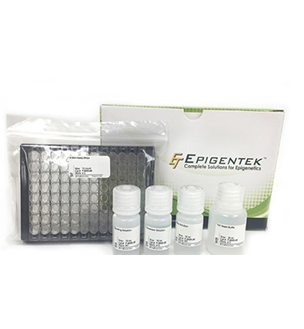
The PAPP-A enzyme linked immunosorbent assay (ELISA) kit provides materials for the quantitative measurement of PAPP-A in serum and other biological fluids.