Stanniocalcins, STC1 and STC2 are glycoprotein hormones. They were originally identified in fish, where they regulate calcium and phosphate homeostasis. Human STC2 is a 33.3 kDa protein, known to form disulfide-linked homodimers. The amino acid sequence of STC2 is only 30% identical to STC1, but the glycosylation sites and cysteine residues are conserved. STC2 is phosphorylated by Casein kinase 2. STC2 is widely expressed with most abundant protein expression in brain, adrenal gland, kidney, prostate and small intestine. 1
n
nSTC2 function in hormone signaling is indicated by reports showing inhibition of ovarian progesterone biosynthesis and transactivation of androgen receptor.2,3 STC2 exhibits anti-apoptotic functions in cells subjected to endoplasmic reticulum and hypoxic stress by a mechanism involving inhibition of plasma membrane store-operated calcium entry.4,5 STC2 overexpression mice exhibit growth restriction, while knockout mice are larger than wild-type littermates.1 STC2 function in growth regulation was demonstrated by its ability to interact with PAPP-A, potentially inhibiting its proteolytic activity towards IGFBP-4 and causing reduced IGF signaling. 6,7,8 STC2-mediated PAPP-A inhibition was also reported to reduce atherosclerosis in hypercholesterolemic mice. 9
n
nIn breast cancer STC2 is induced by estrogen and STC2 expression levels correlate with levels of estrogen receptor. STC2 function in different cancers may involve regulation of cell proliferation, neoplastic transformation and endothelial invasion. STC2 also plays a role in epithelial-mesenchymal transition by activation of MAPK/ERK signaling in hypoxic ovarian cancer cells. STC2 is upregulated in several cancers including, gastric cancer, lung cancer, renal cell carcinoma, colorectal cancer, castration-resistant prostate cancer and cervical cancer.1 Serum STC2 levels may serve as a valuable research tool for diagnosis and prognosis of several cancers and growth defects.
n
nReferences:
n
n1. Yeung BH, Law AY, Wong CK. 2012. Evolution and roles of stanniocalcin. Mol Cell Endocrinol. 26;349(2):272-80.
n2. Shin J, Sohn YC. 2014. Identification of Ran-binding protein M as a stanniocalcin 2 interacting protein and implications for androgen receptor activity. BMB Rep. 47(11):643-8.
n3. Luo, C.W., Pisarska, M.D., Hsueh, A.J., 2005. Identification of a stanniocalcin paralog, stanniocalcin-2, in fish and the paracrine actions of stanniocalcin-2 in the mammalian ovary. Endocrinology 146, 469–476.
n4. Ito, D., Walker, J.R., Thompson, C.S., Moroz, I., Lin, W., Veselits, M.L., Hakim, A.M.,Fienberg, A.A., Thinakaran, G., 2004. Characterization of stanniocalcin 2, a novel target of the mammalian unfolded protein response with cytoprotective properties. Mol. Cell Biol. 24, 9456–9469.
n5. Zeiger, W., Ito, D., Swetlik, C., Oh-hora, M., Villereal, M.L., Thinakaran, G., 2011. Stanniocalcin 2 is a negative modulator of store-operated calcium entry. Mol.Cell Biol. 31, 3710–3722.
n6. Jepsen MR, Kl?verpris S, B?tkj?r JA, Wissing ML, Andersen CY, Oxvig C. 2016.The proteolytic activity of pregnancy-associated plasma protein-A is potentially regulated by stanniocalcin-1 and -2 during human ovarian follicle development. Hum Reprod. 31(4):866-74
n7. Monget P, Oxvig C. 2016. PAPP-A and the IGF system. Ann Endocrinol (Paris). 77(2):90-6
n8. Jepsen MR, Kl?verpris S, Mikkelsen JH, Pedersen JH, Füchtbauer EM, Laursen LS, Oxvig C. 2015. Stanniocalcin-2 inhibits mammalian growth by proteolytic inhibition of the insulin-like growth factor axis. J Biol Chem 6;290(6):3430-9
n9. Steffensen LB, Conover CA, Bj?rklund MM, Ledet T, Bentzon JF, Oxvig C.2016. Stanniocalcin-2 overexpression reduces atherosclerosis in hypercholesterolemic mice. Atherosclerosis, 248:36-43
n10. HHS Publication, 5th ed., 2007. Biosafety in Microbiological and Biomedical Laboratories. Available http://www.cdc.gov/biosafety/publications/bmbl5/BMBL5
n11. DHHS (NIOSH) Publication No. 78–127, August 1976. Current Intelligence Bulletin 13 - Explosive Azide Hazard. Available http:// www.cdc.gov/niosh.
n12. Approved Guideline – Procedures for the Handling and Processing of Blood Specimens, H18-A3. 2004. Clinical and Laboratory Standards Institute.
n13. Kricka L. Interferences in immunoassays – still a threat. Clin Chem 2000; 46: 1037–1038.
產(chǎn)品描述
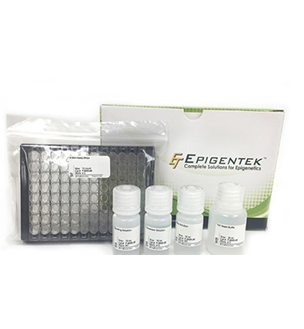
The Stanniocalcin-2 (STC2) enzyme linked immunosorbent assay (ELISA) kit provides materials for the quantitative measurement of Stanniocalcin-2 in human serum and other biological fluids.