Anti-Müllerian hormone is a 140 kDa glycoprotein that is produced during normal embryogenesis by the Sertoli cells of the embryonic testis, causes the involution of the Müllerian duct, and inhibits female gonadogenesis by inducing apoptosis of target gonadal cells. It belongs to the transforming growth factor-β super family. AMH causes apoptosis of specific Anti-Müllerian inhibiting substance (MIS) receptor-bearing cells, while having no effect on cells without receptors. AMH is also expressed in granulosa cells of preantral and small antral follicles in the ovary, and AMH inhibits recruitment of primordial follicles into the pool of growing follicles, and decreases responsiveness of growing follicles to FSH.
n
nReferences:
n1. HHS Publication, 5th ed., 2007. Biosafety in Microbiological and Biomedical Laboratories. Available http://www.cdc.gov/biosafety/publications/bmbl5/BMBL5
n2. DHHS (NIOSH) Publication No. 78–127, August 1976. Current Intelligence Bulletin 13 - Explosive Azide Hazard. Available http:// www.cdc.gov/niosh.
n3. Approved Guideline – Procedures for the Handling and Processing of Blood Specimens, H18-A3. 2004. Clinical and Laboratory Standards Institute.
n4. Kricka L. Interferences in immunoassays – still a threat. Clin Chem 2000; 46: 1037–1038.
產(chǎn)品描述
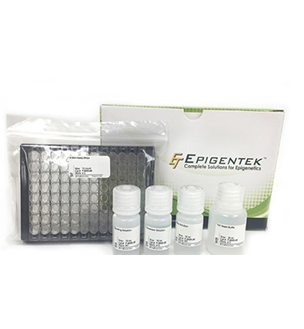
The Ovine Anti-Müllerian hormone (AMH) enzyme-linked immunosorbent assay (ELISA) kit provides materials for the quantitative measurement of AMH in serum and other biological fluids.