Glucagon-like peptide-1 (GLP-1) is a 30-amino acid gut hormone secreted from the intestinal L-cells. The GLP-1 sequence is highly conserved among mammals and is released in its active form (7-36) in response to food intake. It is quickly degraded into its inactive form (9-36) after selective cleavage by dipeptidyl peptidase-4 (DPP-4). GLP-1 reduces glucose levels by regulating pancreatic secretion, slowing gastric emptying and lowering the desire for food intake. Therefore, it is an important biomarker for the study of diabetes and obesity.1-5 This kit is designed to measures total of GLP-1.
n
nReferences:
n
n
Gareth E. Lim and Patricia L. Brubaker., Glucagon-Like Peptide 1 Secretion by the L-Cell. Diabetes 2006 Dec; 55(Supplement 2): S70-S77.
n
Holst, Jens J. et al., Glucagon-like peptide-1, glucose homeostasis and diabetes. Trends in Molecular Medicine 2008; 14(4): 161 – 168.
n
Bak MJ, et.al., Specificity and sensitivity of commercially available assays for glucagon-like peptide-1 (GLP-1): implications for GLP-1 measurements in clinical studies. Diabetes Obes Metab. 2014 Nov;16(11):1155-64.
n
Caporarello N,et.al., Insulin receptor signaling and glucagon-like peptide 1 effects on pancreatic beta cells. PLoS One. 2017 Aug 2;12(8): 1-11.
n
Lee YS, Jun HS. Anti-diabetic actions of glucagon-like peptide-1 on pancreatic beta-cells. Metabolism. 2014 Jan;63(1):9-19.Sandoval DA and D’Alessio DA. Physiology of Proglucagon Peptides: Role of Glucagon and GLP-1 in Health and Disease. Physiol Rev 95:513-548.
n
產(chǎn)品描述
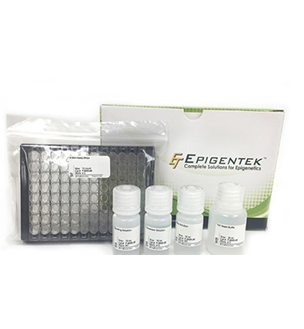
The Glucagon-like peptide-1 (GLP-1) enzyme linked immunosorbent assay (ELISA) kit provides materials for the quantitative measurement of GLP-1 in EDTA plasma and other biological fluids.