FGF23 (fibroblast growth factor 23) is a member of the fibroblast growth factor family and controls phosphate and vitamin D homeostasis. The full-length protein comprises 251 amino acids including a 24 amino acid signal peptide. The N-terminal FGF homology region of FGF23 is separated from the unique C-terminal region by a proteolytic cleavage site. A proportion of FG23 is proteolytically processed between arginine179 and serine180 to generate N-terminal and C-terminal fragments. Therefore, the major forms of FGF23 present in human circulation are hormonally intact FGF23 and inactive N-terminal and C-terminal fragments. FGF23 binds to FGF receptor 1c (FGFR1c) with its N-terminal region, while the C-terminal region is capable of interacting with the co-receptor αKlotho to confer high-affinity binding to the receptor. FGFR1c and αKlotho are expressed in the distal nephron and the parathyroid gland. Co-receptor independent signaling of FGF23 has been described for other FGFRs, which are expressed in a variety of tissues. The main source of FGF23 are osteocytes in the bone.
產(chǎn)品描述
Method
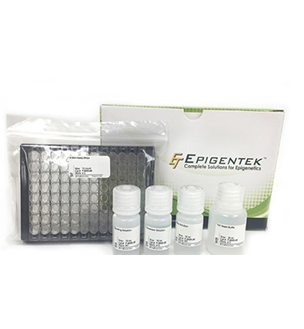
Sandwich ELISA, HRP/TMB, 12×8-well detachable strips
Sample type
Plasma (EDTA, citrate, hepar?n), serum, urine, cell culture supernatant
Sample volume
50 μl / well
Assay time
3 h / 30 min
Sensitivity
5.4 pg/ml (= 0.21 pmol/l)
Standard range
0 – 1 600 pg/ml (= 0 – 60.8 pmol/l)
Conversion factor
1 pg/ml = 0.038 pmol/l; MW: 26 kDa
Specificity
Endogenous and recombinant human intact FGF23.
Cross-reactivity
The assay does not cross-react with FGF3, FGF19, and FGF21.
Precision
In-between-run (n=9): ≤ 6 % CV
Within-run (n=3): ≤ 8 % CV