日韩免费视频中文在线观看-国产成人在线视频一区二区三区-天天做天天爱天天大爽-欧美α片无限看在线观看免费-日本肥熟老熟妇15p-日本中文字幕三级在线视频-成人不卡视频在线观看-日韩一区二区三区无码人妻视频-青青草绿色视频在线观看

歡迎您訪問武漢艾美捷科技有限公司官方網(wǎng)站!
站點地圖 服務(wù)熱線:400-6800-868
  • 產(chǎn)品
  • 文章

PRODUCT CENTER

細(xì)胞分析試劑盒
中文名稱

Interleukin-10, High Sensitivity, BioAssay ELISA Kit (Human) (IL-10, Cytokine Synthesis Inhibitory Factor, CSIF)

英文名字
Interleukin-10, High Sensitivity, BioAssay ELISA Kit (Human) (IL-10, Cytokine Synthesis Inhibitory Factor, CSIF)
供應(yīng)商
USBiological
產(chǎn)品貨號
I8432-27M
產(chǎn)品報價
¥1/1Kit
產(chǎn)品說明書
點擊查看
購買方式
銀行轉(zhuǎn)賬、電匯、支票、現(xiàn)金,在線支付寶及網(wǎng)銀支付,或直接與我們電話聯(lián)系400-6800-868
產(chǎn)品新聞
背景資料
USBiological品牌是全球有名的抗原抗體和生化試劑供應(yīng)商,生產(chǎn)世界上種類最多的抗體,用于Western Blot、免疫沉淀、免疫熒光、免疫組化和流式細(xì)胞術(shù)等多種檢測方法。武漢艾美捷科技作為USBiological品牌中國區(qū)域總代理,是行業(yè)中少有的致力于服務(wù)客戶,幫助客戶,且擁有獨立的專業(yè)銷售團(tuán)隊、技術(shù)支持團(tuán)隊、市場營銷團(tuán)隊、進(jìn)出口報關(guān)團(tuán)隊的高科技生物企業(yè)。可以為您提供及時的咨詢響應(yīng),專業(yè)的產(chǎn)品和解決方案支持,穩(wěn)健快捷的交貨周期,優(yōu)質(zhì)放心的售后服務(wù)。我們致力于為您提供有價值的產(chǎn)品和服務(wù),在意您的成功!
產(chǎn)品描述
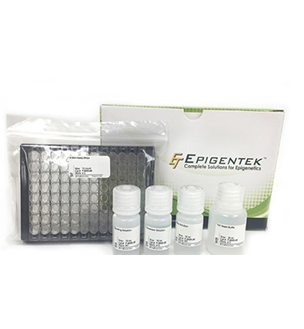
Interleukin 10, initially designated CSIF, was originally identified as a product of mouse T helper 2 clones that suppressed the production of cytokines by T helper 1 clones responding to stimulation by antigen in the presence of monocyte/macrophage antigen-presenting cells. The human homologue of mouse IL-10 was subsequently cloned by cross-hybridization. Human and mouse IL-10 are 81% and 73% identical at the nucleotide and aa levels, respectively. Both mouse and human IL-10 are also highly homologous to a previously uncharacterized open reading frame in the Epstein-Barr virus genome, BCRF1. The BCRF1 gene product is now designated viral IL-10. In mice, IL-10 is produced by Th2 cells, activated fetal thymocytes, macrophages, keratinocytes, LY-1+ (CD5+), and normal B cells. In humans, Th0-, Th1-, and Th2-like CD4+ T cell clones, B cell lines derived from patients with AIDS and Burkitt's lymphoma, activated monocytes and peripheral blood T cells, including Th2-like CD8+, CD4+CD45RA+ naive, CD4+CD45RA- memory T cells, and bronchogenic carcinoma cells were found to have the capacity to produce IL-10. Mouse, rat, and human IL-10 cDNAs encode 178aa residue precursor polypeptides with hydrophobic signal peptides that are cleaved to generate 160aa residue mature proteins. There is at least 73% aa identity between the proteins from the three species. In contrast to mouse IL-10, human IL-10 appears to be non-glycosylated. Both mouse and human IL-10 exist as non-covalently-linked homodimers in solution. Although human IL-10 is active on mouse cells, mouse IL-10 does not show species cross-reactivity on human cells. The receptor for IL-10 has been isolated from both mouse and human sources. Both the mouse and human receptors are transmembrane glycoproteins about 110kD in size. The receptor for IL-10 most closely resembles the interferon-g receptor. Both mouse and human IL-10 have been found to bind to their expressed receptors with high affinity (Kd=70pM and 200pM, respectively). IL-10 is a pleiotropic cytokine that can exert either immunosuppressive or immunostimulatory effects on a variety of cell types. The inhibitory effects of IL-10 on mouse Th1 cytokine synthesis was found to be indirect and due to the inhibitory effects of mouse IL-10 on the accessory function and antigen-presenting capacity of monocyte/macrophages. Similarly, human IL-10 can also inhibit monocyte/macrophage-dependent, antigen-stimulated cytokine synthesis by human PBMNC and NK cells. In addition to cytokine synthesis, IL-10 can inhibit monocyte/macrophage-dependent, antigen-specific proliferation of mouse Th1 clones, as well as human Th0-, Th1-, and Th2-like T cell clones. The mechanisms by which IL-10 inhibits the accessory and antigen-presenting functions of macrophages are not known. While it has been demonstrated that IL-10 can downregulate class II MHC expression on macrophages, it has also been suggested that IL-10 can inhibit production or function of a macrophage membrane-bound co-stimulator required for activation of T cells and NK cells. 2IL-10 is a potent modulator of monocyte/macrophage function. As a downregulator of the cell-mediated immune response, IL-10 can suppress the production of prostaglandin E2 and numerous pro-inflammatory cytokines, including TNF-a, IL-1, IL-6, and IL-8 by monocytes following activation. IL-10 also enhances the release of soluble TNF receptors and inhibits the expression of surface ICAM-1 and B7. Finally, IL-10 has been reported to suppress the synthesis of superoxide anion plus reactive oxygen intermediates (ROI), and either inhibit or facilitate nitric oxide synthesis, depending on the time of exposure to activated macrophages. This facilitation is one of many stimulatory functions on monocytes and macrophages that includes upregulation of both IL-1ra and CD64 (Fcg RI), and an increase in antibody-dependent cellular cytotoxicity. These results, taken together, suggest that IL-10 can serve as both a macrophage activator and deactivator and exhibit potent inflammatory activities. In vivo, the induction of IL-10 synthesis during certain parasitic infections has been suggested to be an important strategy by which parasites evade IFN-g-dependent, cell-mediated immune destruction. It has also been suggested that the viral IL-10 in the EBV genome may represent a captured mammalian gene used by the virus to improve its chances for survival. IL-10 also has marked effects on B cells. In particular, IL-10 induces IgA synthesis in CD40-activated cells and selects for the secretion of IgG1 and IgG3, again in CD40-activated naive (surface IgD+) B cells, the only cytokine identified to induce such subclasses. IL-10 also enhances the survival of splenic B cells through the induction of bcl-2 protein synthesis and stimulates tonsillar B cell proliferation through the upregulation of IL-2 receptors. Aside from its activities on B lymphocytes, IL-10 also has documented activity on endothelial cells, where it mimics IL-4, and on thymocytes and mast cells, where it acts as a growth co-stimulator. On granulocytes, it has multiple effects. On LPS-stimulated eosinophils, IL-10 inhibits pro-inflammatory cytokine synthesis (TNF-a, IL-8) and reduces the survival time expected from LPS exposure. On neutrophils, IL-10 has been reported to diminish secretion of TNF-a, IL-1b, IL-8, MIP-1a, and MIP-1b after LPS challenge. Further, IL-10 upregulates IL-1ra expression from LPS-stimulated neutrophils, suggesting a role for IL-10 as an inflammatory molecule.Sample Type:Serum and plasmaIntended Use:For the quantitative determination of human interleukin 10 concentrations in serum and plasma.Sensitivity:Twenty-three assays were evaluated and the minimum detectable dose (MDD) of IL-10 ranged from 0.03-0.17pg/ml. The mean MDD was 0.09pg/ml. The MDD was determined by adding two standard deviations to the mean optical density value of twenty zero standard replicates and calculating the corresponding concentration.Specificity:This assay recognizes both natural and recombinant human IL-10.Test Principle:This assay employs the quantitative sandwich enzyme immunoassay technique. A monoclonal antibody specific for IL-10 has been pre-coated onto a microplate. Standards and samples are pipetted into the wells and any IL-10 present is bound by the immobilized antibody. After washing away any unbound substances, an enzyme-linked monoclonal antibody specific for IL-10 is added to the wells. Following a wash to remove any unbound antibody-enzyme reagent, a substrate solution is added to the wells. After an incubation period, an amplifier solution is added to the wells and color develops in proportion to the amount of IL-10 bound in the initial step. The color development is stopped and the intensity of the color is measured.Kit Components:IL-10 Microplate: 12 stripsx8 wells polystyrene microplateIL-10, monoclonal conjugated to AP: 1x21mlIL-10 Standard: 1x500pgAssay Diluent RD1-10: 1x6mlCalibrator Diluent RD6-10: 1x21mlWash Buffer Concentrate: 1x100mlSubstrate (Lyophilized NADPH with stabilizers) 1x1 vialSubstrate Diluent: 1x7mlAmplifier (Lyophilized amplifier enzymes with stabilizers): 1x1 vialAmplifier Diluent: 1x7mlStop Solution (2N sulfuric acid): 1x6mlPlate Covers: 8 adhesive stripsStorage and Stability:See Kit Protocol for detailed storage instructions.
產(chǎn)品特點
針對Interleukin-10, High Sensitivity, BioAssay ELISA Kit (Human) (IL-10, Cytokine Synthesis Inhibitory Factor, CSIF)該產(chǎn)品的特點優(yōu)勢,歡迎查閱官網(wǎng)提供的產(chǎn)品說明書。
保存建議
建議收到Interleukin-10, High Sensitivity, BioAssay ELISA Kit (Human) (IL-10, Cytokine Synthesis Inhibitory Factor, CSIF)產(chǎn)品后將其置于4°C保存。
其他
Usbiological公司是美國著名的抗體和生化試劑供應(yīng)商,生產(chǎn)世界上種類最多的抗體,用于Western Blot、免疫沉淀、免疫熒光、免疫組化和流式細(xì)胞術(shù)等多種檢測方法。Usbiological公司現(xiàn)已擁有超過50,19234種抗體、抗原和生化產(chǎn)品,為科研用戶提供了諸多超值選擇。
注意
該頁面的中文產(chǎn)品信息的翻譯,僅供參考。準(zhǔn)確的產(chǎn)品信息請以廠家的英文說明書為準(zhǔn)。下單前,請瀏覽說明書確認(rèn)。
在線留言
產(chǎn)品分類
特色產(chǎn)品 MORE
最近促銷 MORE
  • 高品質(zhì)保障 成熟的生產(chǎn)研發(fā)技術(shù)
  • 高性價比 價宜質(zhì)優(yōu),性價比高
  • 高效省心 從購買到使用,放心無憂
  • 安全運輸 完善的保護(hù)措施安全運輸

微信掃碼在線客服

微信咨詢

全國免費技術(shù)支持

400-6800-868

在線客服