Immunoglobulin G (IgG) is the most abundant protein in the serum which accounts for 75% of the total immunoglobulins in the plasma of healthy individuals. IgG is a major effector molecule of the humoral immune response in humans and provides defense against parasitic invasion. IgG molecules (Fc portion) react with Fc-gamma receptors that are present on the surfaces of macrophages, neutrophils, natural killer cells, and can activate the complement system. IgG is produced in a delayed response to an infection and can be retained in the body for a long time. IgG is the major class of the five classes of immunoglobulins (IgM, IgD, IgG, IgA, and IgE) in human beings. These closely related glycoproteins, composed of 82–96% protein and 4–18% carbohydrate, differ in heavy chain structure and have unique profile with respect to antigen binding, immune complex formation, complement activation, triggering of effector cells and placental transport. IgG can be further divided into four subclasses, IgG1, IgG2, IgG3, and IgG4, based on their relative prevalence in human serum. The IgG concentration in normal human serum ranges from 6 mg/ml to 18 mg/ml. The relative abundance of the different immunoglobulin classes is generally constant in mature adults. Changes in the relative abundance of the different classes typically specify immunological disorders or disease states. For example, congenital and acquired immunodeficiency leads to significantly reduced levels of IgG, while hepatitis, cirrhosis, and most autoimmune diseases increase the levels of IgG. Thus, an accurate quantitation of IgG in plasma or serum is essential for diagnostic studies, as well as for monitoring the efficacy of treatment regimens.
產(chǎn)品描述
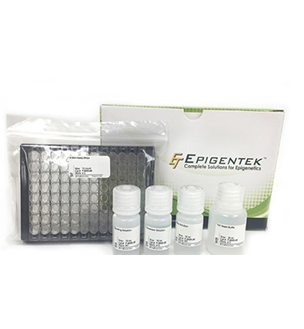
Human IgG ELISA kit is designed for the quantitative detection of human IgG in serum, plasma, and hybridoma cell supernatants.
See kit insert for component storage conditions. Store coating buffer, wash buffer, blocking buffer, standard, and reagent diluent at 4?C. Store substrate solution at 4°C prior to opening. Protect from moisture and light. Store detection antibody and SA-HRP conjugate vial at 4° C prior to restoration. For extended storage aliquot contents and freeze at -20° C or below. Aliquot capture antibody and target protein standard contents and freeze at -20?C. Avoid multiple freeze-thaw cycles.