Angiotensin-converting enzyme(ACE), an exopeptidase, is a circulating enzyme that participates in the body's renin-angiotensin system(RAS), which mediates extracellular volume(i.e. that of the blood plasma, lymph and interstitial fluid), and arterial vasoconstriction. It is secreted by pulmonary and renal endothelial cells and catalyzes the conversion of decapeptide angiotensin I to octapeptide angiotensin II. Using a DNA marker at the growth hormone gene locus, which they characterized as 'extremely polymorphic' and which showed no recombination with ACE, ACE was mapped to 17q22-q24, consistent with the in situ hybridization mapping to 17q23. ACE, or kininase II, is a dipeptidyl carboxypeptidase that plays an important role in blood pressure regulation and electrolyte balance by hydrolyzing angiotensin I into angiotensin II, a potent vasopressor, and aldosterone-stimulating peptide. The enzyme is also able to inactivate bradykinin, a potent vasodilator.
產(chǎn)品描述
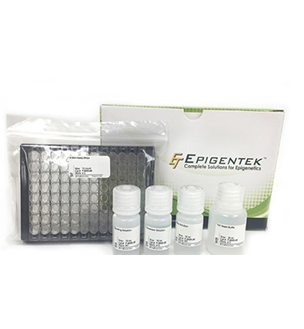
Useful in Sandwich ELISA for Quantitative Detection of Antigen. Aliquot 0.1ml per well of the 6000pg/ml, 3000pg/ml, 1500pg/ml, 750pg/ml, 419pg/ml, 187.5pg/ml, 93.8pg/ml mouse ACE standard solutions into the precoated 96-well plate. Add 0.1ml of the sample diluent buffer into the control well (Zero well). Add 0.1ml of each properly diluted sample of mouse cell culture supernates, serum or plasma(heparin) to each empty well. We recommend that each mouse ACE standard solution and each sample is measured in duplicate.
Store vials at 4°C prior to opening. Centrifuge product if not completely clear after standing at room temperature. This product is stable for 6 months at 4°C as an undiluted liquid. Dilute only prior to immediate use. For extended storage freeze at -20°C or below for 12 months. Avoid cycles of freezing and thawing.