Receptor activator of nuclear factor kappa-B ligand(RANKL), also known as tumor necrosis factor ligand superfamily member 11(TNFSF11), is a protein that in humans is encoded by the TNFSF11 gene. This gene encodes a member of the tumor necrosis factor(TNF) cytokine family which is a ligand for osteoprotegerin and functions as a key factor for osteoclast differentiation and activation. This gene is mapped to chromosome13q14.11. Targeted disruption of the related gene in mice led to severe osteopetrosis and a lack of osteoclasts. The deficient mice exhibited defects in early differentiation of T and B lymphocytes, and failed to form lobulo-alveolar mammary structures during pregnancy. This gene may play an important role in enhanced bone-resorption in humoral hypercalcemia of malignancy.
產(chǎn)品描述
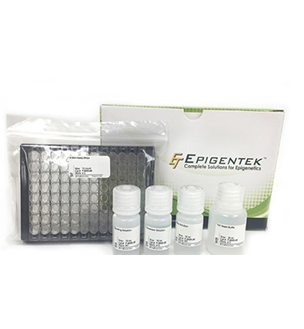
Useful in Sandwich ELISA for Quantitative Detection of Antigen. Aliquot 0.1ml per well of the 4000pg/ml, 2000pg/ml,1000pg/ml, 500pg/ml, 250pg/ml, 125pg/ml, 62.5pg/ml mouse TNFSF11 standard solutions into the precoated 96-well plate. Add 0.1ml of the sample diluent buffer into the control well (Zero well). Add 0.1ml of each properly diluted sample of mouse cell culture supernates, serum or plasma(heparin, EDTA) to each empty well. It is recommended that each mouse TNFSF11 standard solution and each sample be measured in duplicate.
Store vials at 4°C prior to opening. Centrifuge product if not completely clear after standing at room temperature. This product is stable for 6 months at 4°C as an undiluted liquid. Dilute only prior to immediate use. For extended storage freeze at -20°C or below for 12 months. Avoid cycles of freezing and thawing.