Surfactant, pulmonary-associated protein D, also known as SFTPD or SP-D, is a protein which in humans is encoded by the SFTPD gene. By fluorescence in situ hybridization, the SP-D gene was localized in 10q22.2-q23.1. On the basis of homology with other collectins, potential functions for SP-D include roles in innate immunity and surfactant metabolism, SP-D is produced in the bronchiolar and terminal epithelium of human fetal lung from about 21 weeks of gestation. What’s more, SP-A and SP-D act as dual-function surveillance molecules that reverse orientation and function and become initiators of host-defense reactions.
產(chǎn)品描述
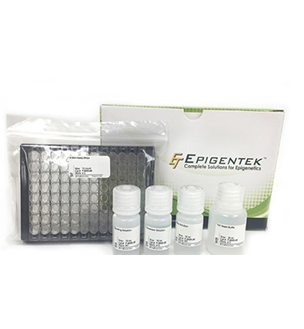
Useful in Sandwich ELISA for Quantitative Detection of Antigen. Aliquot 0.1ml per well of the 40,000pg/ml, 20,000pg/ml, 10,000pg/ml, 5,000pg/ml, 2,500pg/ml, 1,250pg/ml, 625pg/ml human SP-D standard solutions into the precoated 96-well plate. Add 0.1ml of the sample diluent buffer into the control well (Zero well). Add 0.1ml of each properly diluted sample of human cell culture supernates, serum or plasma(heparin, EDTA) to each empty well. It is recommended that each human SP-D standard solution and each sample be measured in duplicate.
Store vials at 4°C prior to opening. Centrifuge product if not completely clear after standing at room temperature. This product is stable for 6 months at 4°C as an undiluted liquid. Dilute only prior to immediate use. For extended storage freeze at -20°C or below for 12 months. Avoid cycles of freezing and thawing.