Multifunctional glycoprotein that acts as receptor for a broad range of ligands. Ligands can be of proteinaceous nature like thrombospondin, fibronectin, collagen or amyloid-beta as well as of lipidic nature such as oxidized low-density lipoprotein (oxLDL), anionic phospholipids, long-chain fatty acids and bacterial diacylated lipopeptides. They are generally multivalent and can therefore engage multiple receptors simultaneously, the resulting formation of CD36 clusters initiates signal transduction and internalization of receptor-ligand complexes. The dependency on coreceptor signaling is strongly ligand specific. Cellular responses to these ligands are involved in angiogenesis, inflammatory response, fatty acid metabolism, taste and dietary fat processing in the intestine (By similarity) (PubMed:8320718). Binds long-chain fatty acids and facilitates their transport into cells, thus participating in muscle lipid utilization, adipose energy storage, and gut fat absorption (By similarity) (PubMed:8320718). In the small intestine, plays a role in proximal absorption of dietary fatty acid and cholesterol for optimal chylomicron formation, possibly through the activation of MAPK1/3 (ERK1/2) signaling pathway (By similarity) (PubMed:16276419, PubMed:21610069). Involved in oral fat perception and preferences (By similarity) (PubMed:16276419). Detection into the tongue of long-chain fatty acids leads to a rapid and sustained rise in flux and protein content of pancreatobiliary secretions (By similarity) (PubMed:16276419). In taste receptor cells, mediates the induction of an increase in intracellular calcium levels by long-chain fatty acids, leading to the activation of the gustatory neurons in the nucleus of the solitary tract (By similarity). Important factor in both ventromedial hypothalamus neuronal sensing of long-chain fatty acid and the regulation of energy and glucose homeostasis (By similarity) (PubMed:23557700). Receptor for thombospondins, THBS1 and THBS2, mediating their antiangiogenic effects (By similarity). As a coreceptor for TLR4:TLR6 heterodimer, promotes inflammation in monocytes/macrophages. Upon ligand binding, such as oxLDL or amyloid-beta 42, interacts with the heterodimer TLR4:TLR6, the complex is internalized and triggers inflammatory response, leading to NF-kappa-B-dependent production of CXCL1, CXCL2 and CCL9 cytokines, via MYD88 signaling pathway, and CCL5 cytokine, via TICAM1 signaling pathway, as well as IL1B secretion, through the priming and activation of the NLRP3 inflammasome. Selective and nonredundant sensor of microbial diacylated lipopeptide that signal via TLR2:TLR6 heterodimer, this cluster triggers signaling from the cell surface, leading to the NF-kappa-B-dependent production of TNF, via MYD88 signaling pathway and subsequently is targeted to the Golgi in a lipid-raft dependent pathway (By similarity).
產(chǎn)品描述
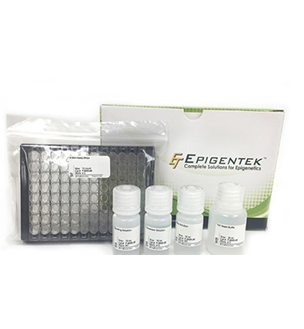
該CD36 ELISA Kit (Rat)的產(chǎn)品描述請參考該產(chǎn)品的說明書
產(chǎn)品特點
ELISA試劑盒
保存建議
2°C to 8°C|-20°C
其他
Aviva Systems Biology總部位于加利福尼亞州圣迭戈,在中國北京設有辦公室,專注于為研究需求提供多克隆和單克隆抗體、ELISA試劑盒、蛋白質(zhì)和定制服務。Aviva Systems Biology生產(chǎn)了24,000種經(jīng)過驗證的多克隆抗體,并提供近20,000種ELISA試劑盒,定制實驗室服務包括蛋白表達和純化、抗體開發(fā),以及ELISA的開發(fā)、驗證和生產(chǎn)。Aviva Systems Biology為與獨特物種和靶標相關的研究提供獨特工具,研究領域包括轉(zhuǎn)錄因子、癌癥、心血管、細胞生物學、DNA損傷和修復、表觀遺傳學、信號轉(zhuǎn)導、細胞分化、干細胞生物學等等。