Serine/threonine-protein kinase that converts transient diacylglycerol (DAG) signals into prolonged physiological effects downstream of PKC, and is involved in the regulation of cell proliferation via MAPK1/3 (ERK1/2) signaling, oxidative stress-induced NF-kappa-B activation, inhibition of HDAC7 transcriptional repression, signaling downstream of T-cell antigen receptor (TCR) and cytokine production, and plays a role in Golgi membrane trafficking, angiogenesis, secretory granule release and cell adhesion. May potentiate mitogenesis induced by the neuropeptide bombesin by mediating an increase in the duration of MAPK1/3 (ERK1/2) signaling, which leads to accumulation of immediate-early gene products including FOS that stimulate cell cycle progression. In response to oxidative stress, is phosphorylated at Tyr-439 by ABL1, which leads to the activation of PRKD2 without increasing its catalytic activity, and mediates activation of NF-kappa-B. In response to the activation of the gastrin receptor CCKBR, is phosphorylated at Ser-244 by CSNK1D and CSNK1E, translocates to the nucleus, phosphorylates HDAC7, leading to nuclear export of HDAC7 and inhibition of HDAC7 transcriptional repression of NR4A1/NUR77. Upon TCR stimulation, is activated independently of ZAP70, translocates from the cytoplasm to the nucleus and is required for interleukin-2 (IL2) promoter up-regulation. During adaptive immune responses, is required in peripheral T-lymphocytes for the production of the effector cytokines IL2 and IFNG after TCR engagement and for optimal induction of antibody responses to antigens. In epithelial cells stimulated with lysophosphatidic acid (LPA), is activated through a PKC-dependent pathway and mediates LPA-stimulated interleukin-8 (IL8) secretion via a NF-kappa-B-dependent pathway. During TCR-induced T-cell activation, interacts with and is activated by the tyrosine kinase LCK, which results in the activation of the NFAT transcription factors. In the trans-Golgi network (TGN), regulates the fission of transport vesicles that are on their way to the plasma membrane and in polarized cells is involved in the transport of proteins from the TGN to the basolateral membrane. Plays an important role in endothelial cell proliferation and migration prior to angiogenesis, partly through modulation of the expression of KDR/VEGFR2 and FGFR1, two key growth factor receptors involved in angiogenesis. In secretory pathway, is required for the release of chromogranin-A (CHGA)-containing secretory granules from the TGN. Downstream of PRKCA, plays important roles in angiotensin-2-induced monocyte adhesion to endothelial cells.
產(chǎn)品描述
該PRKD2 ELISA Kit (Rat)的產(chǎn)品描述請參考該產(chǎn)品的說明書
產(chǎn)品特點
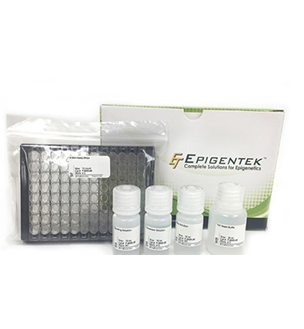
ELISA試劑盒
保存建議
Store as indicated in product manual.
其他
Aviva Systems Biology總部位于加利福尼亞州圣迭戈,在中國北京設(shè)有辦公室,專注于為研究需求提供多克隆和單克隆抗體、ELISA試劑盒、蛋白質(zhì)和定制服務(wù)。Aviva Systems Biology生產(chǎn)了24,000種經(jīng)過驗證的多克隆抗體,并提供近20,000種ELISA試劑盒,定制實驗室服務(wù)包括蛋白表達(dá)和純化、抗體開發(fā),以及ELISA的開發(fā)、驗證和生產(chǎn)。Aviva Systems Biology為與獨特物種和靶標(biāo)相關(guān)的研究提供獨特工具,研究領(lǐng)域包括轉(zhuǎn)錄因子、癌癥、心血管、細(xì)胞生物學(xué)、DNA損傷和修復(fù)、表觀遺傳學(xué)、信號轉(zhuǎn)導(dǎo)、細(xì)胞分化、干細(xì)胞生物學(xué)等等。